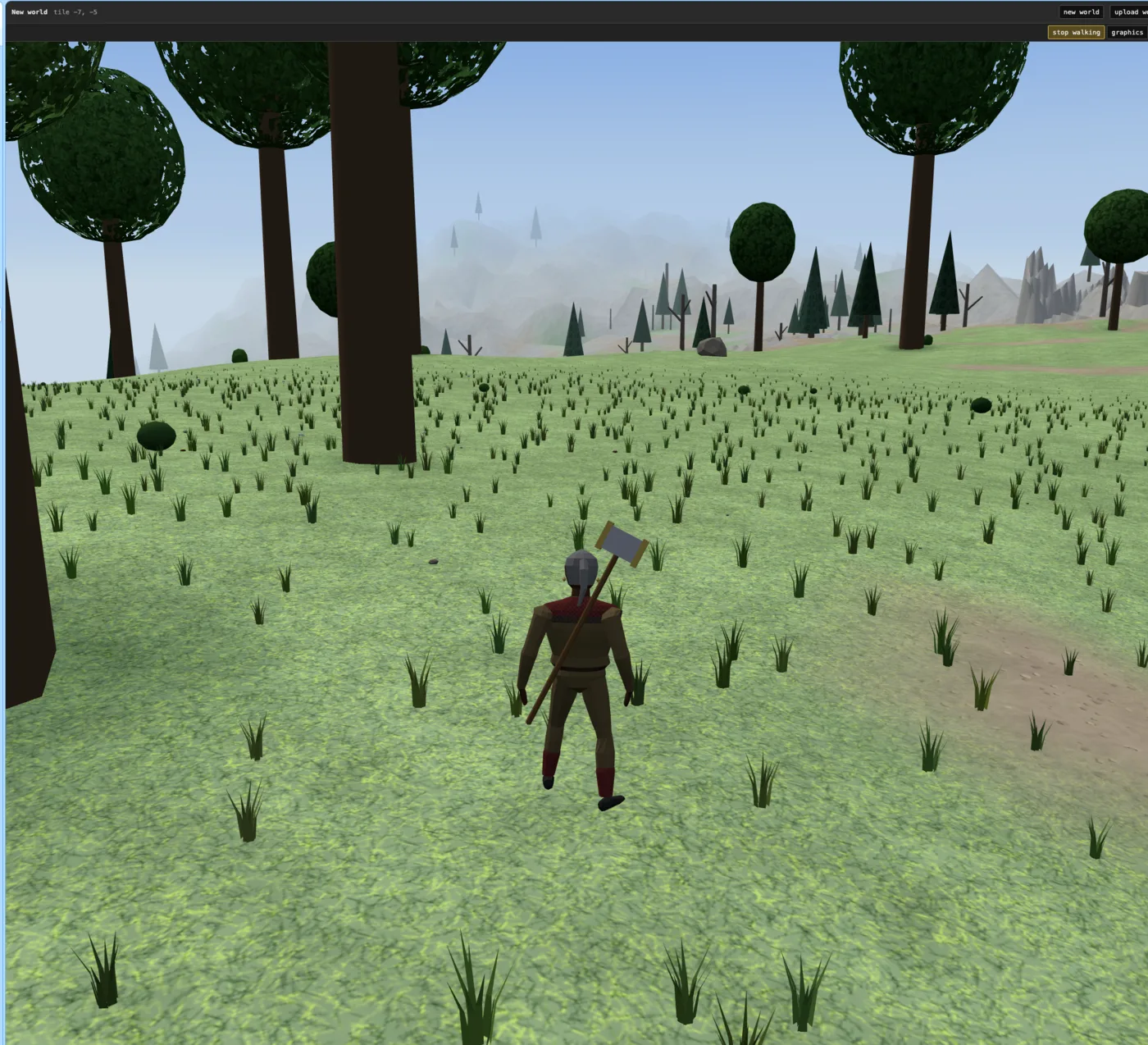
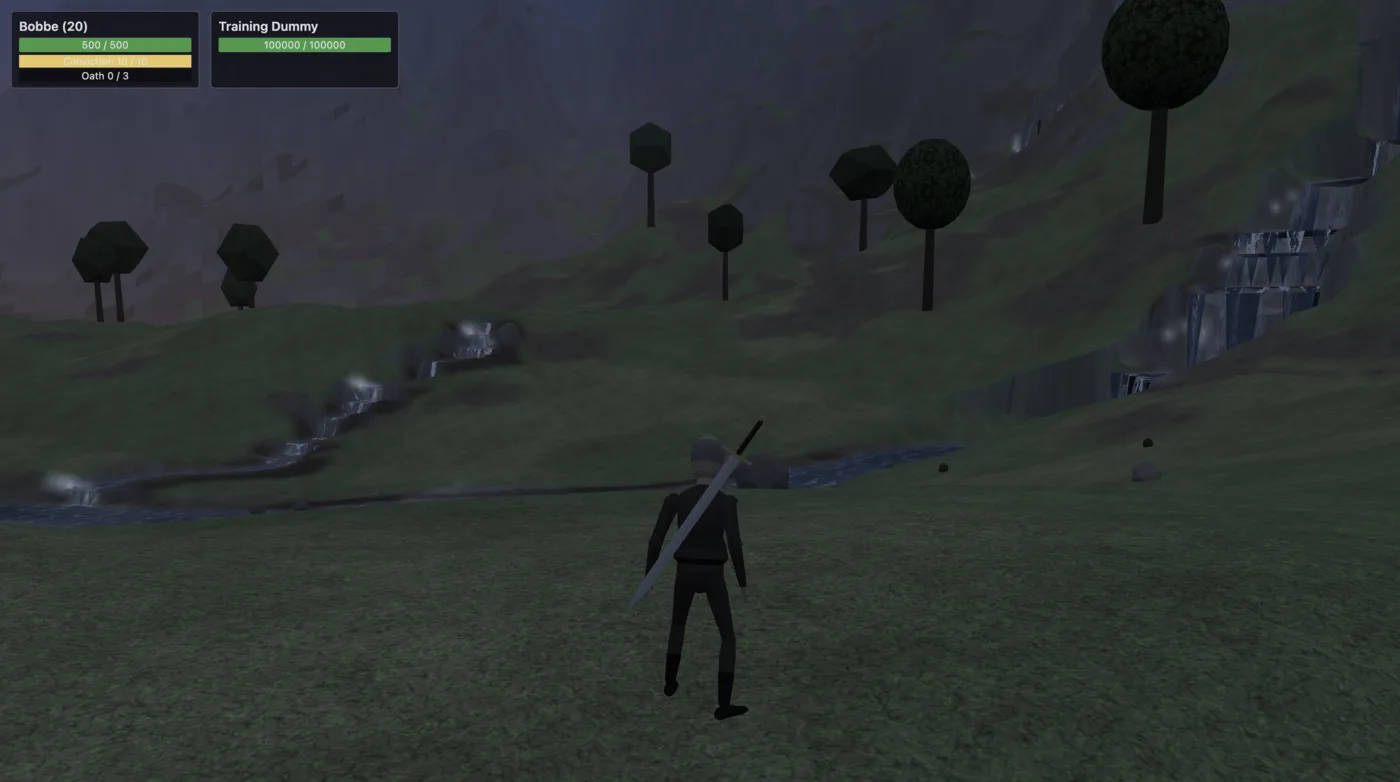
Earlier this year, I started using Claude Code for various work projects, and I realized that, while I don’t have the kind of time that would be required to solo/indie-dev even a significantly reduced game at that scale, I do have the time to manage an LLM doing so. And I started, with what I then considered an ambitious plan - a 2D dungeoneering game, designed to be user-contributable in the sense that Minecraft is, and not just open-source.
My intent then was: make a game that is functionally a multiplayer delving game, on a set of linked two-dimensional map images. Represent the characters and enemies as tokens (as one might use in a Roll20 D&D game), and combat graphics as transparent animations or images. Define everything (not just maps, but units, unit abilities, classes and their powers) all in configuration files, which the users would just host in a GitHub repository of their own - that repository’s raw URLs function as the CDN, and the server never has to read most of it (the graphics/maps/audio go to the client straight from GitHub). An editing tool that allows someone to build dungeons, units, and classes in the browser, using their GitHub repo as the backing store.
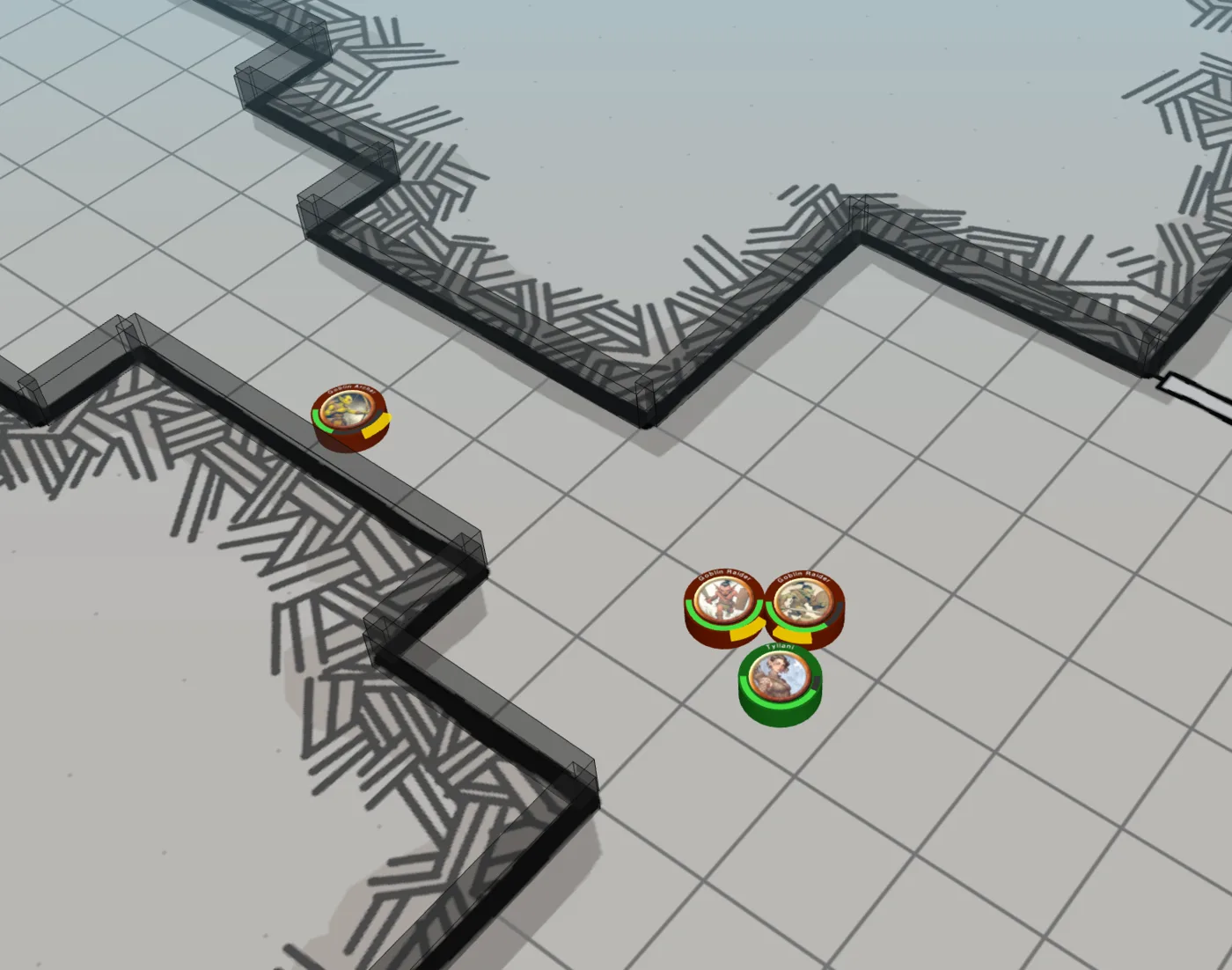
And it was kind of working! After designing the instancing strategy though, I realized that there’s no reason I couldn’t have open-world zones that were also instances, capped at ~25 characters at a time (I didn’t realize yet then that that’s a standard strategy, which WoW called ‘layers’ and then later ‘shards’). So I got happily to building, generating sets of icons, heaps of simple orthographic images for objects to stamp onto maps, and sorting out hundreds of tokens from Too Many Tokens. But.. making the maps themselves was so slow and painful. I was using Inkarnate, which is a solid tool, but hand-building maps was super time-consuming, partly because I’m bad at that. After I made half a dozen maps, and started realizing just how many I needed to make a reasonable-sized first “zone”, I felt brief despair, but Watabou’s map generators looked like just the tool I needed!
So I spent some time learning about map generation, and generated vector art like they used, and produced something pretty decent. But the images were huge, so instead I started distributing the map’s base data, and having the client construct the image (took about 12ms). And I got all the way to “combat works, though it’s not very balanced” and “looted equipment with functional stats” when I realized.. this game was bland. Everything looked kind of the same - it was very difficult to create any visual identity when the generator owned much of the look and all the units were tokens.
So I took a short break, and built something else I was wishing for - I occasionally use Tabletop Simulator to play board games with friends in other states, and it’s kind of heavy; what I wanted was basically the same capability, but with the physics cut off, and able to run in a browser (I specifically wanted to play The Elder Scrolls: Betrayal of the Second Era with a friend of mine). So I took a swing at that, and learned about 3D rendering in the process..
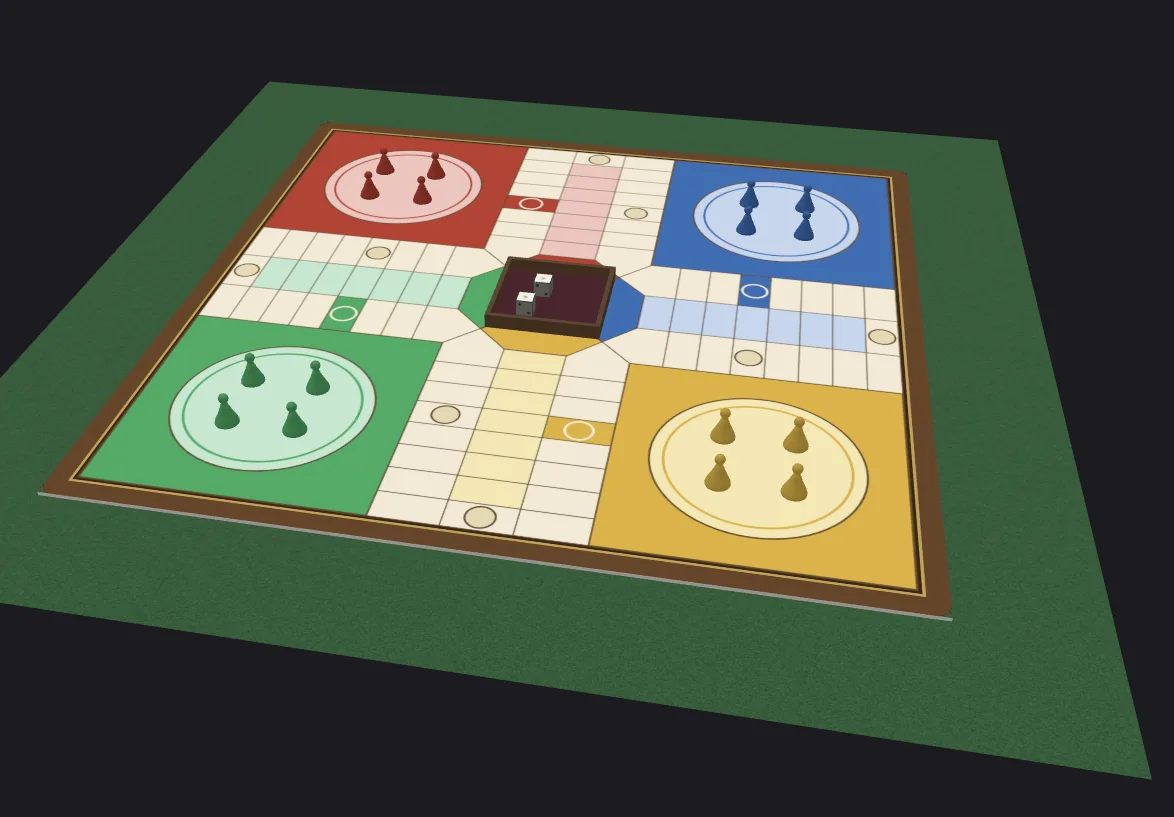
When I finished building that, I had some ideas, so I spiked a 3D rendering of some generated landscape (learned a lot about performance optimizations in WebGL), and the results were promising.
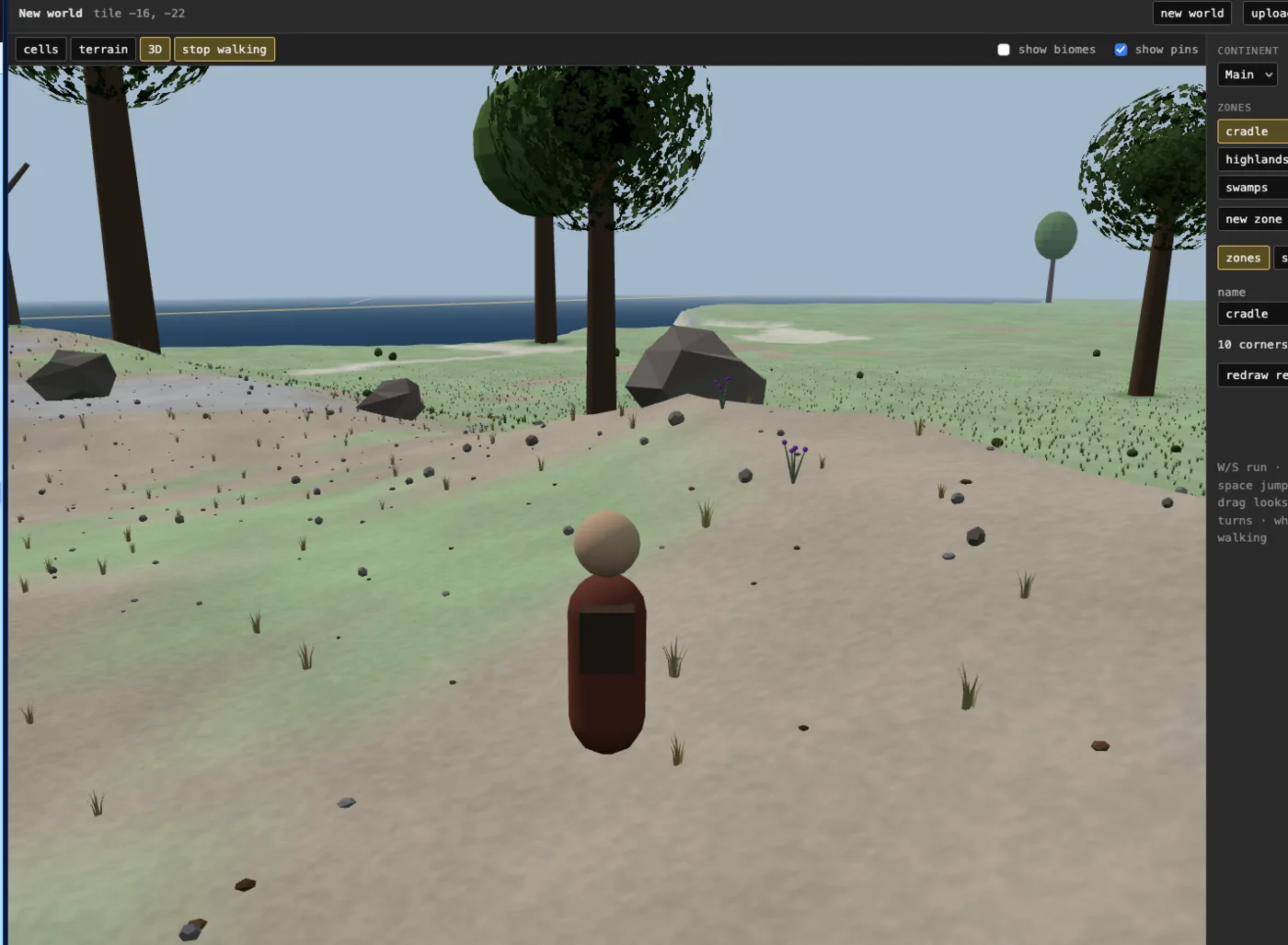
So I dove in - this time I knew the effort was all going to be the content generation, so I started off with a focus on building the tools to do it with.
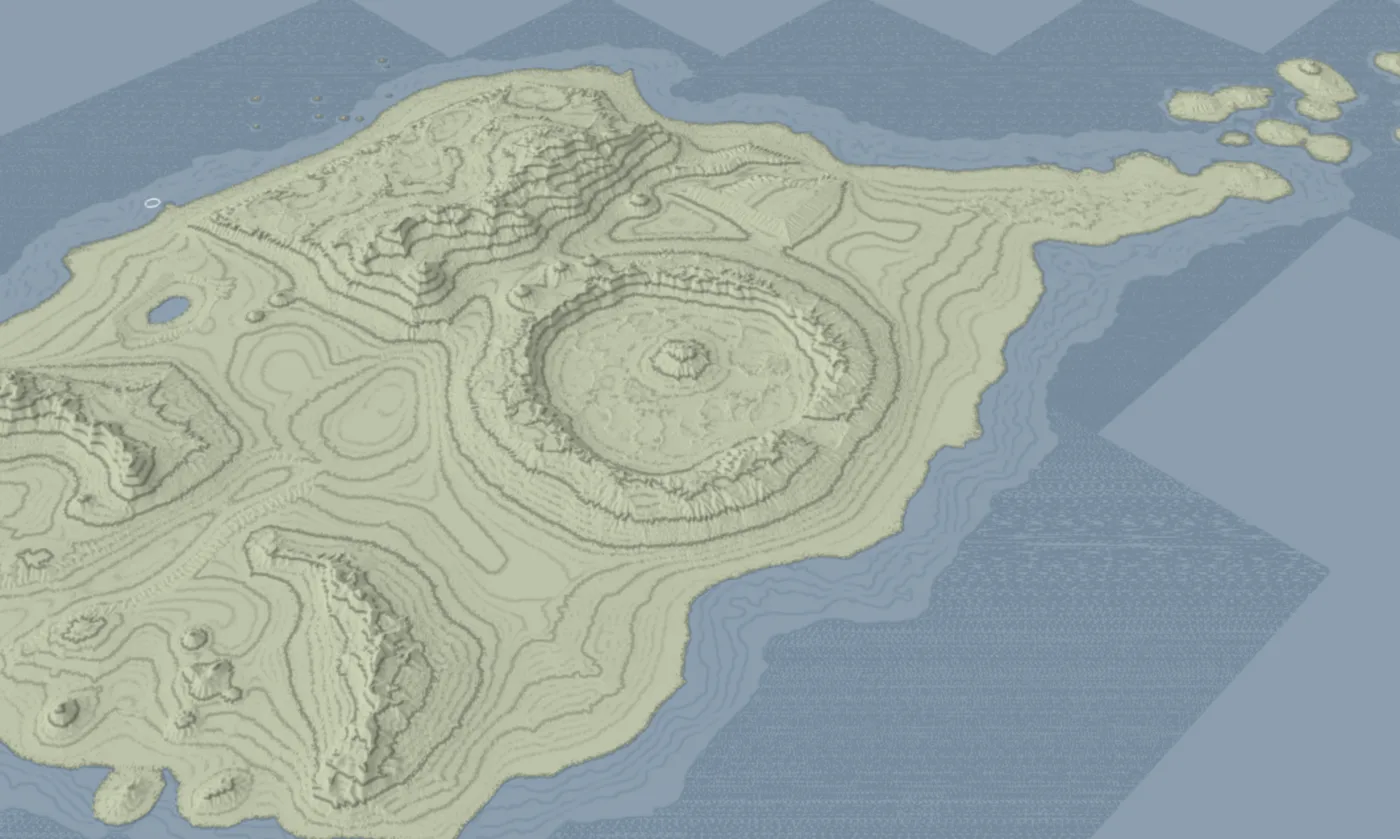
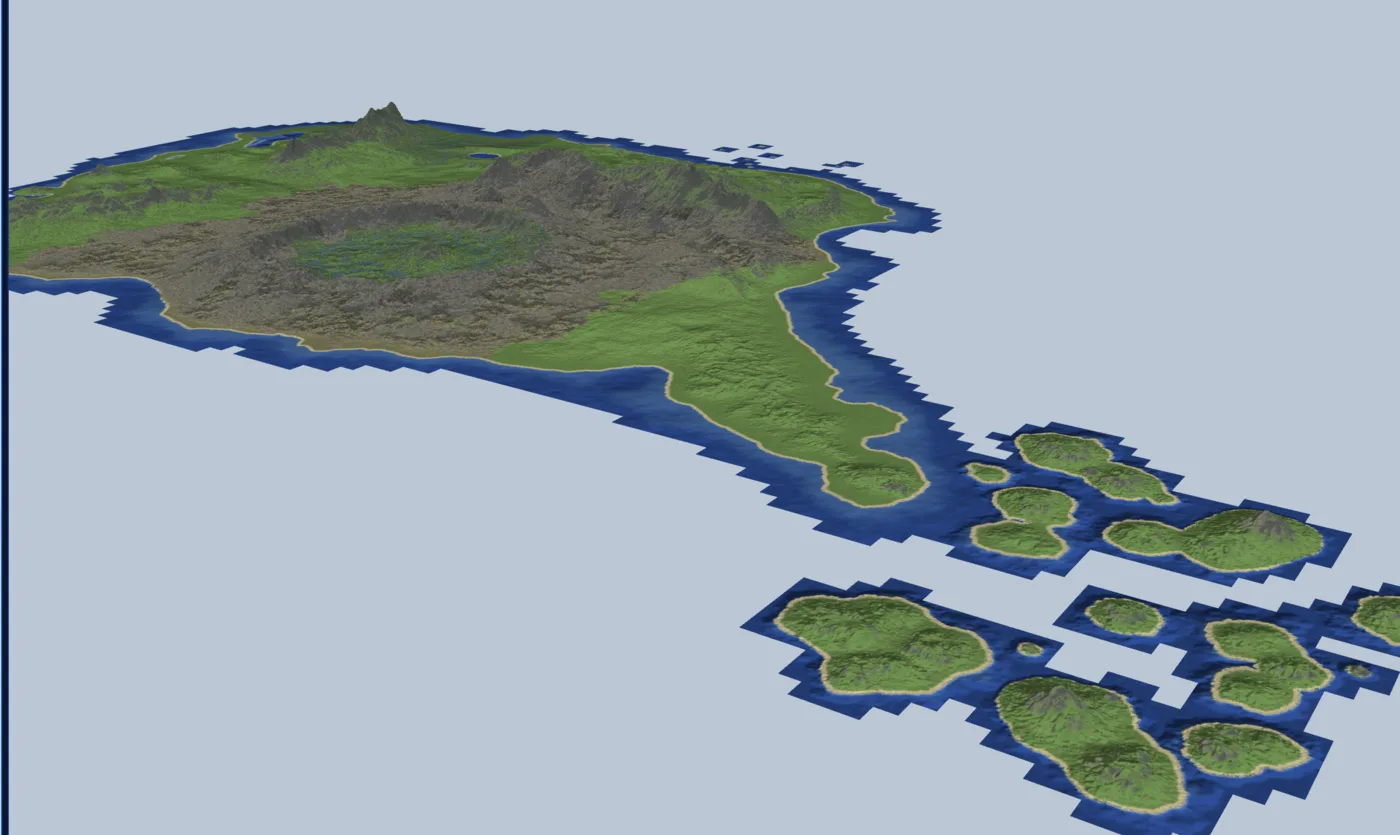
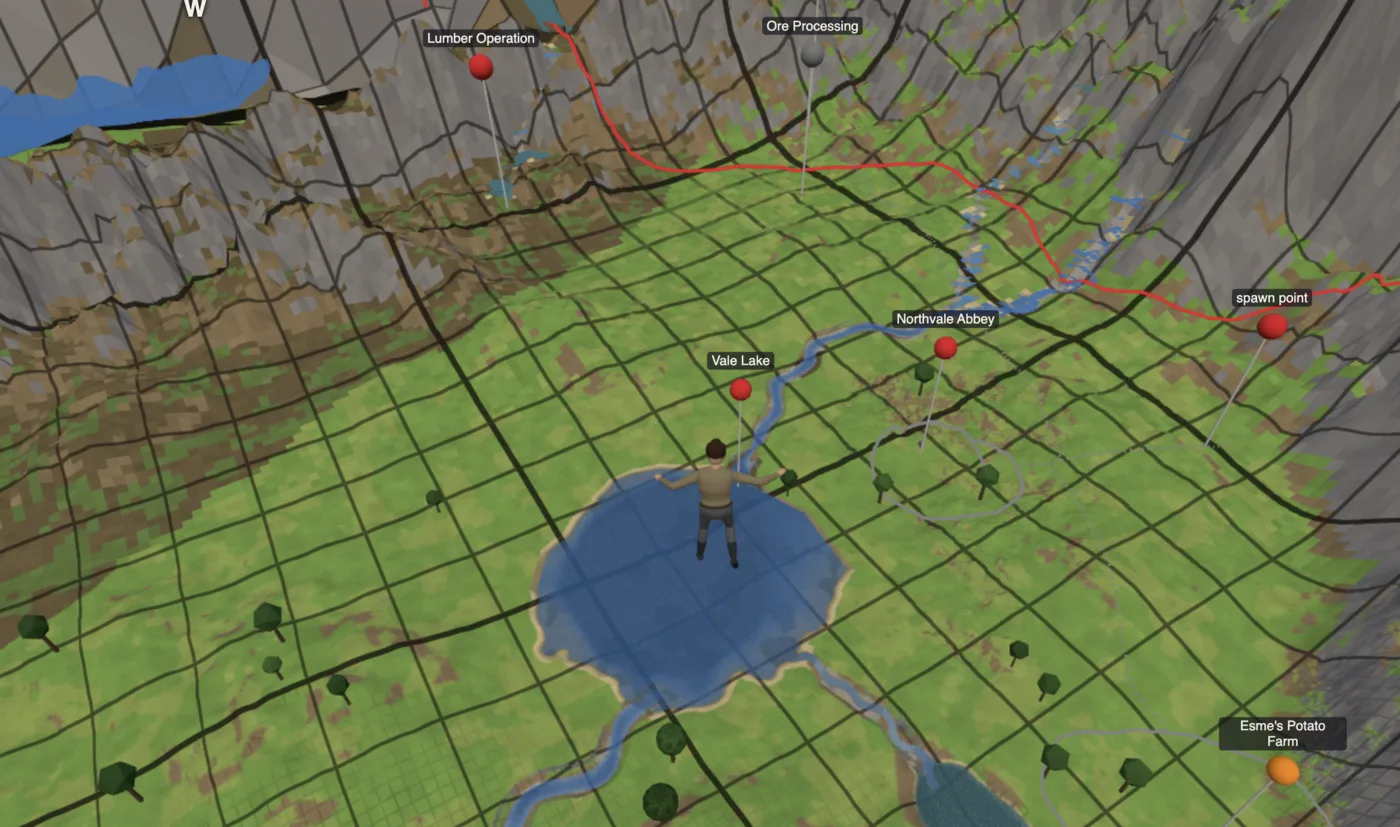
I recently spent a fair amount of time working out a reasonable way to represent and edit caves in my terrain, because I was utterly unsatisfied with the experience on the first several implementations I tried. I ended up with a smoothed voxel-based solution, where you lay out the cave at large scale with one set of tools, then “bake” it, so you can do further detail-editing with Minecraft-style voxel management and object placement. I’m not confident that’s the final system, but it certainly works well enough for now!
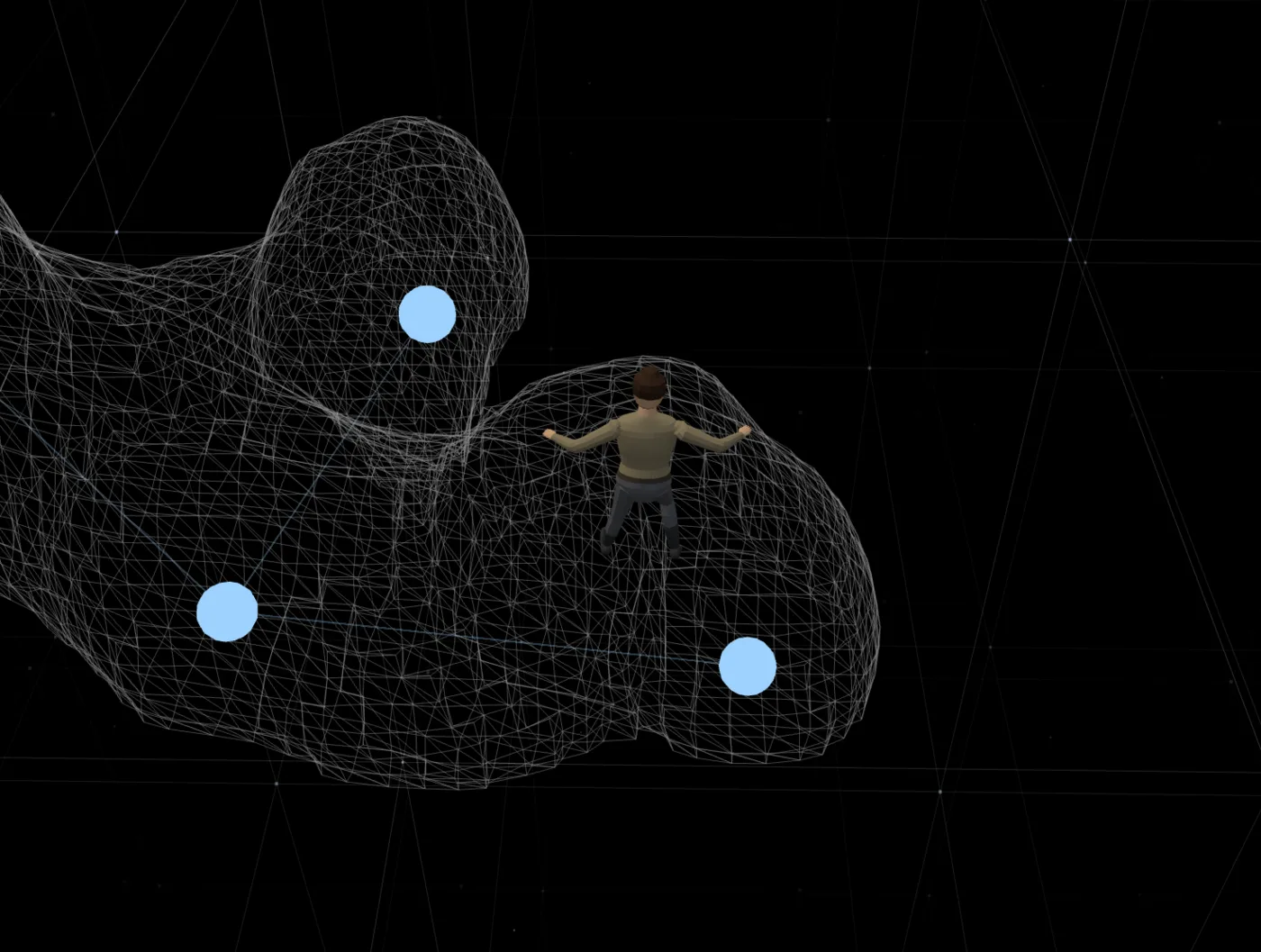
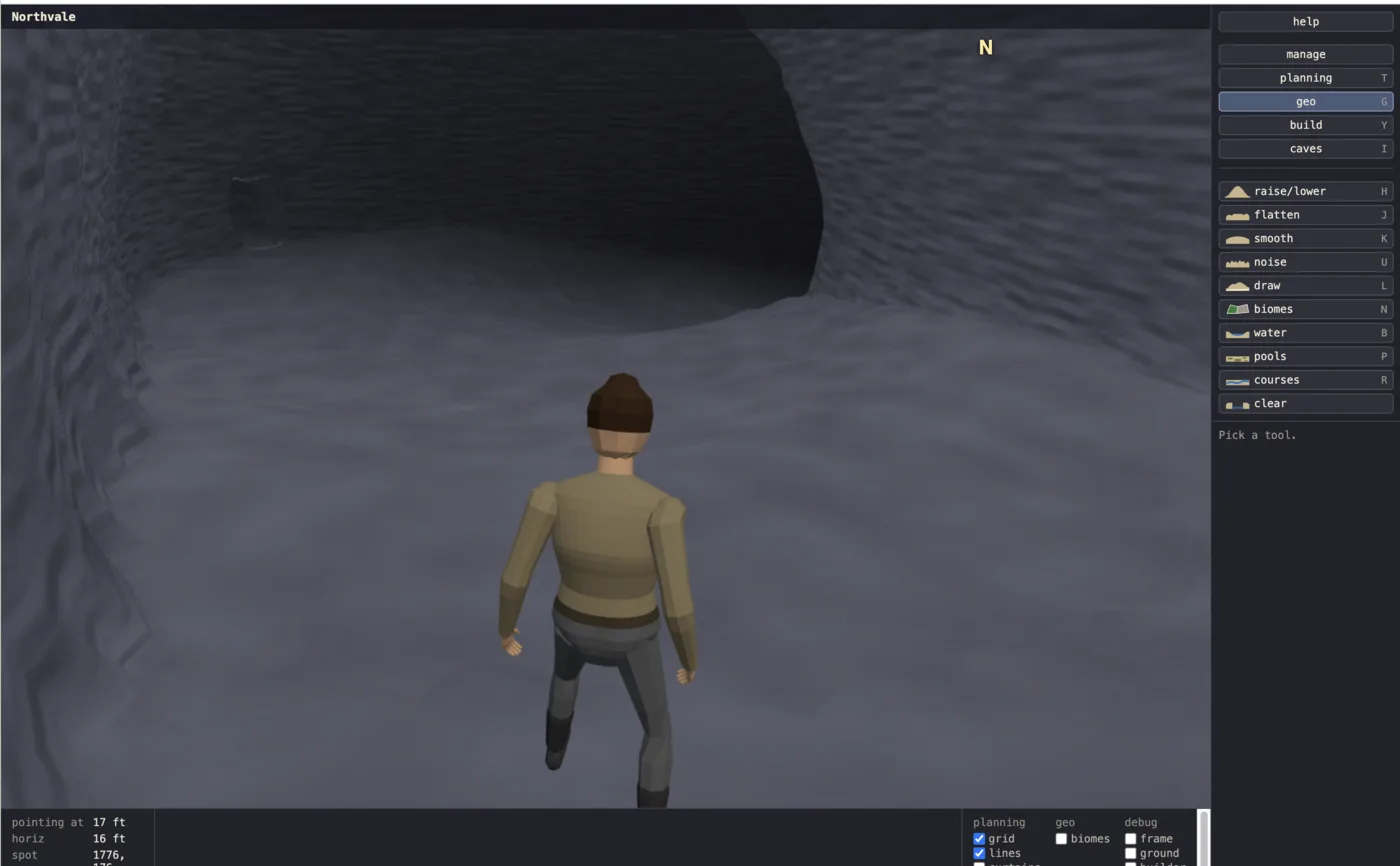
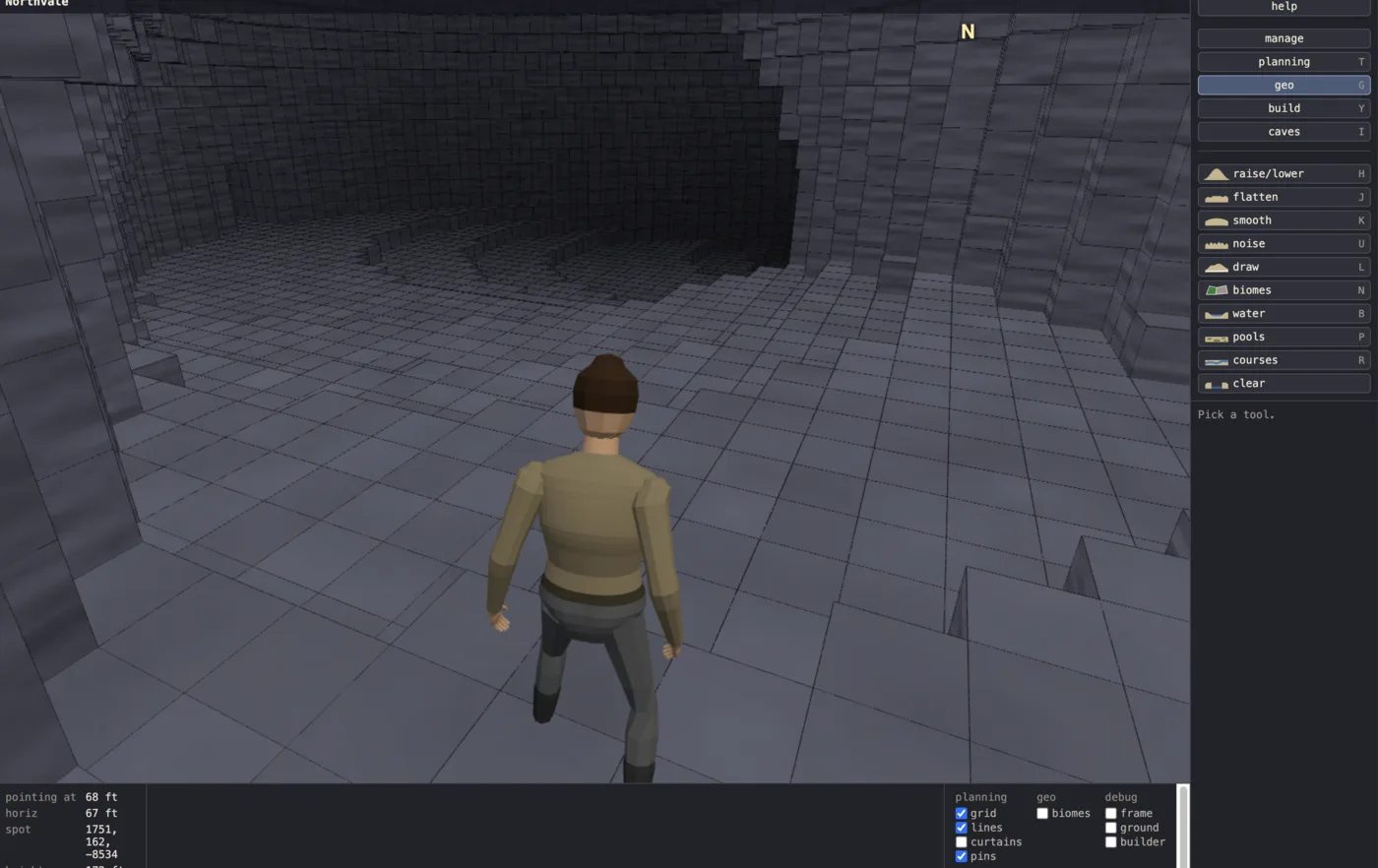
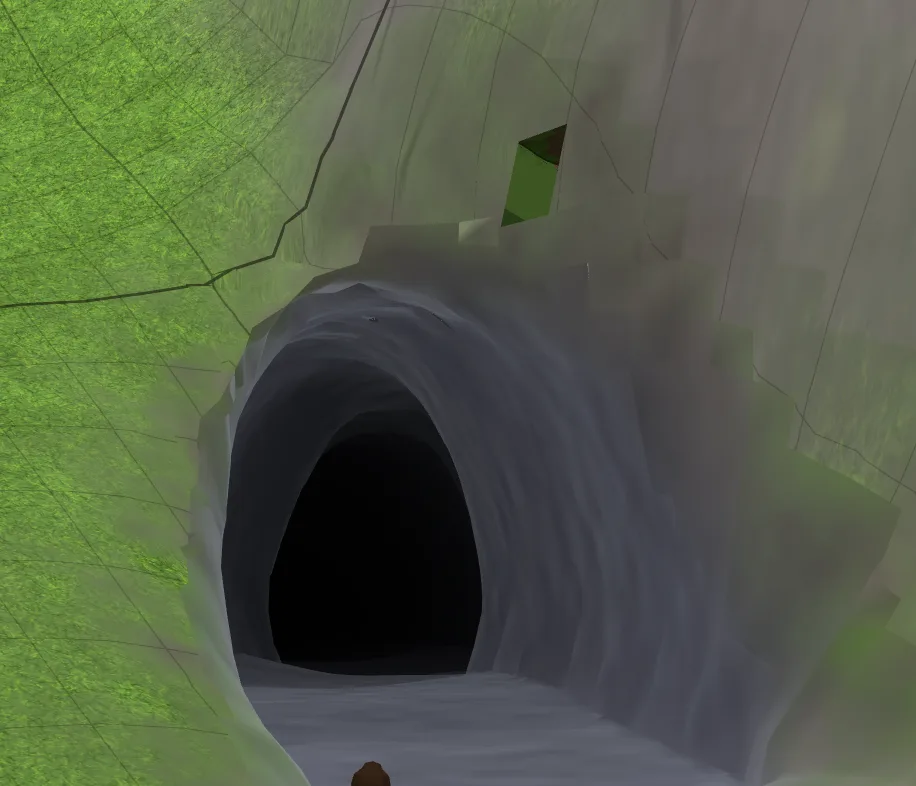
The biggest pain point was in the interface between the ‘cave tiles’ and the ‘terrain tiles’ - I used different formats and scales for them, and it turns out that blending the rendered heightmap terrain into the rendered smoothed-voxel caves was.. not straightforward. It still doesn’t look amazing, but apparently this is why other games always seem to cover the outlines of the entrances to caves with art..
Right now I’m working on class/ability implementation, including more animations, particle effects, and making abilities all work (on a training dummy - no actual monsters until milestone 3). But I’m happy with how it looks for the moment!